

Format guide
Aluminium or High-Barrier coffee capsules? A buyer’s guide
7 min read
For importers, distributors & retailers
01
Start with what is actually different
DORO’S has two capsule lines: aluminium and aluminium-free High-Barrier. That is a material distinction, not a shortcut to a buying decision. A partner still needs to assess the coffee inside, the cup the customer expects, compatibility with the installed machine base and the local requirements that apply to packaging and claims.
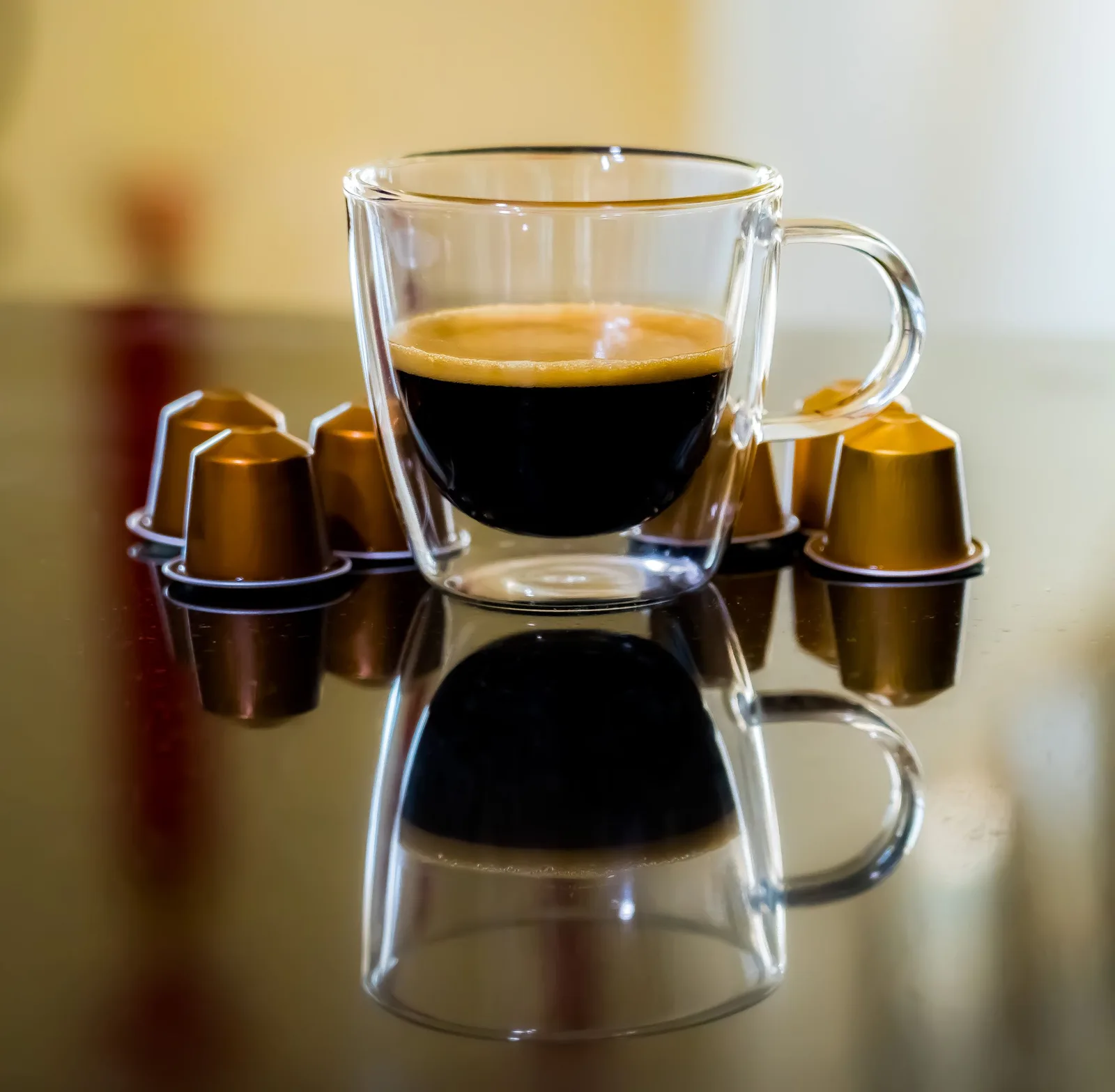
The aluminium line carries the vitamin pair, classic espresso profiles and the broadest flavour edit. The High-Barrier line provides a separate aluminium-free route through familiar Espresso, Ristretto, Gourmet, Hazelnut, Caramel and Decaffeinato choices.
02
Compare complete products, not isolated materials
A capsule material matters because it is part of the product experience, but buyers range finished coffees rather than empty shells. Compare roast, flavour direction, cup size, format, packaging communication and the role each SKU will play. If the two lines are tasted only as material samples, the commercial decision has been separated from what the customer will actually drink.
- Taste matching classic profiles before comparing the wider assortment.
- Confirm the exact machine compatibility required by the target channel.
- Review the physical box and capsule as one shelf and service experience.
- Ask for the shelf-life and storage information applicable to the quoted product.
- Check which claims and disposal instructions can be used in the destination market.
03
Decide whether the lines should work together
A market does not always need to choose one line for every account. A retailer may use aluminium for the broad flavour story and add a focused High-Barrier edit for customers actively looking for an aluminium-free option. Another partner may prefer one format at launch so the sales message and stock position stay simple.
The right architecture depends on how clearly the difference can be explained at shelf, online and by the sales team. If the distinction takes longer to explain than the coffee itself, the opening range may be carrying too many decisions.
04
Build the comparison into the enquiry
Tell us the intended channel, the machine ecosystem already in use, the cup profiles that matter and whether an aluminium-free offer is part of the brief. Samples can then be discussed around a real range decision instead of a generic request for every SKU.